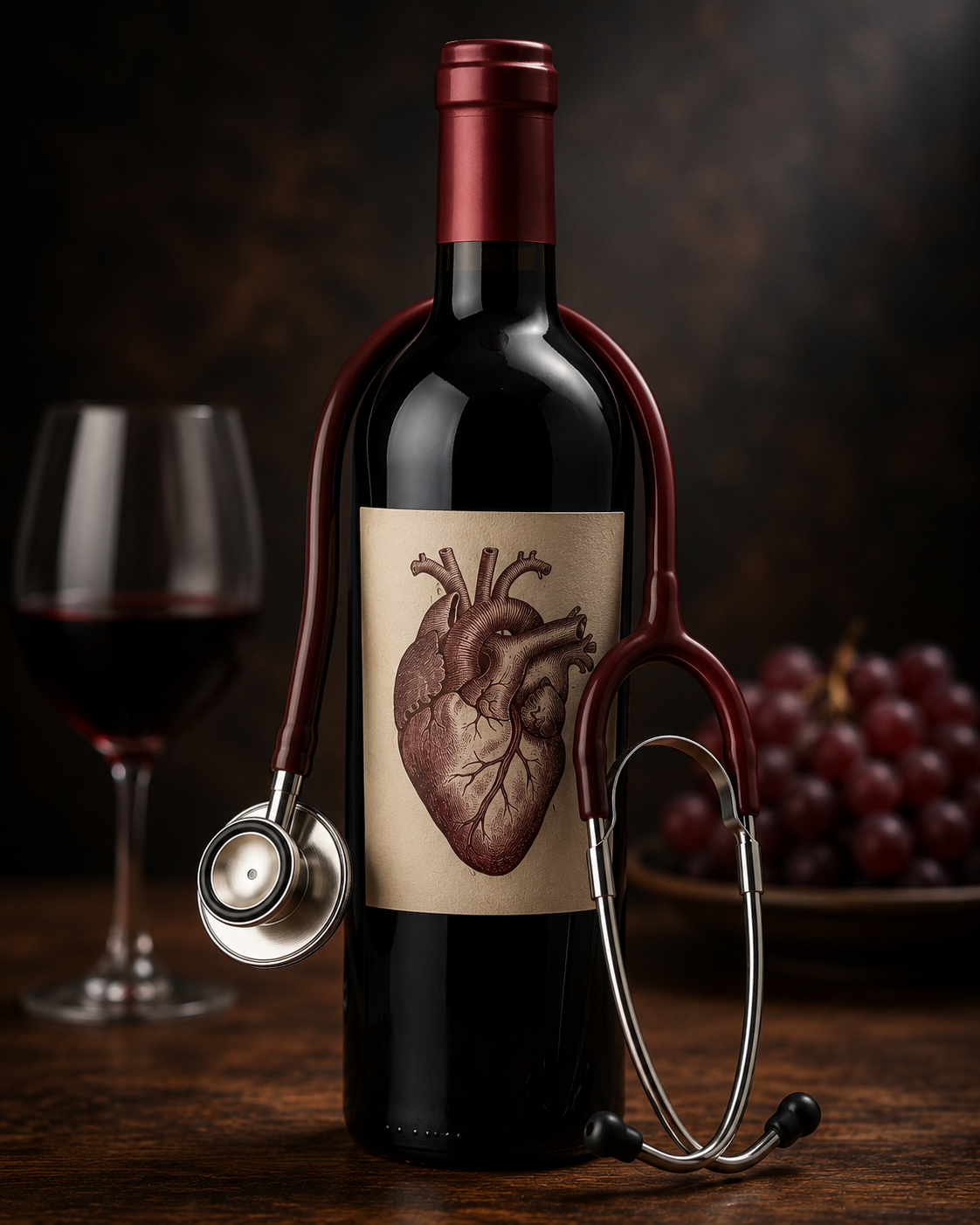
For decades, the conversation surrounding wine and health has swung between two extremes. One camp has celebrated red wine as a heart-healthy elixir; the other has argued that no amount of alcohol is safe. A thoughtful perspective published in the European Heart Journal suggests the truth may be more nuanced.
Written by Dr. Grzegorz Gajos, a practicing cardiologist, professor, and Wine & Spirit Education Trust (WSET) educator, the article argues when consumed moderately, with meals, and as part of an overall Mediterranean lifestyle, wine may remain compatible with good cardiometabolic health for many adults. The Mediterranean pattern of eating is one rich in vegetables, fruits, legumes, nuts, olive oil, fish, regular physical activity, and convivial meals. Within this context, a glass of wine becomes a cultural companion. The author also emphasizes moderation. Indeed, Dr. Gajos discusses how thoughtful food pairings naturally encourage slower drinking, balanced meals, and pleasant dining experiences.
Among the suggested combinations are:
Sancerre Sauvignon Blanc with beet, arugula, and fresh goat cheese salad.
Tavel Rosé alongside roasted eggplant, zucchini, tomatoes, chickpeas, olives, and thyme.
Etna Rosso (Nerello Mascalese) paired with roasted duck breast, sour cherries, thyme, and barley risotto.
Ribera del Duero Tempranillo served with lean beef tenderloin, wild mushrooms, and spelt.
Bairrada Baga accompanying Mediterranean mackerel with roasted peppers and farro.
The article also reminds readers that red wines are naturally rich in polyphenols, including flavonoids and resveratrol, compounds that laboratory and population studies suggest may support endothelial function, reduce LDL oxidation, and influence inflammatory pathways. This helps explain why wine continues to be studied within the broader field of nutrition.