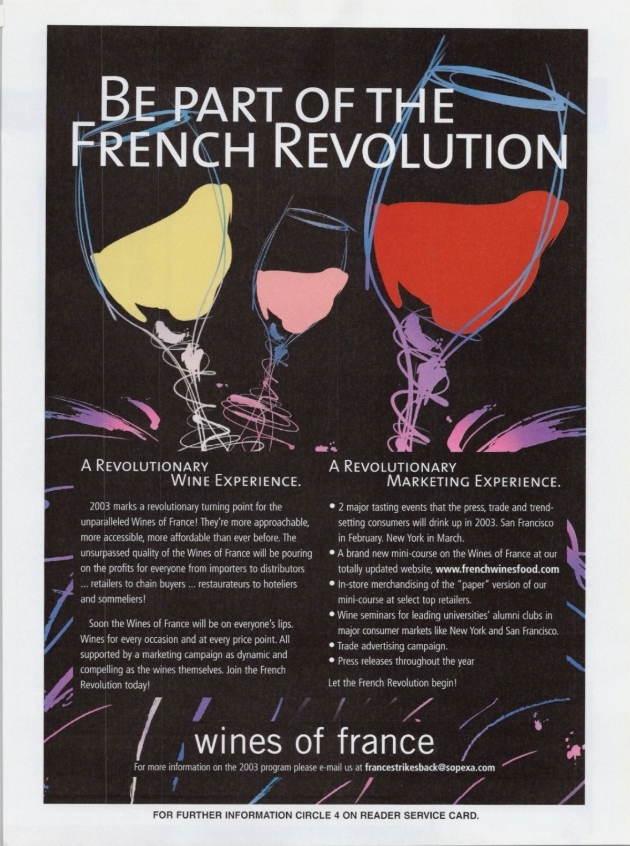
In 2003, a pivotal trade advertisement under the Wines of France banner marked a strategic shift in how French wine was marketed, aiming to reach a broader, more casual consumer base. Targeting not just industry insiders but everyday buyers, the campaign sought to dispel the notion that French wines were intimidating and costly. By borrowing the revolutionary rhetoric of France’s historical upheaval, the ad cleverly repositioned French wine as accessible and affordable, aligning with the glob...
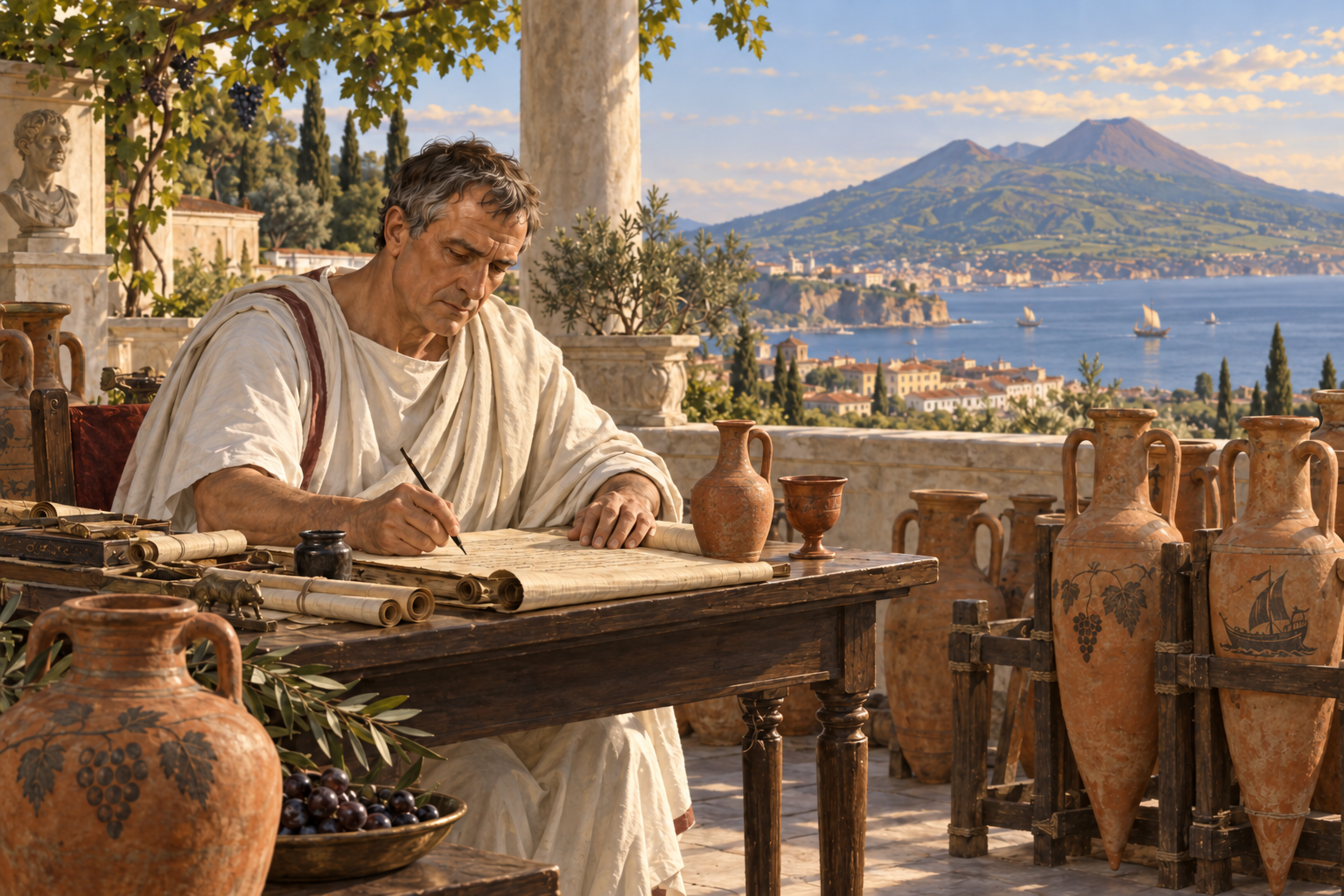
Pliny the Elder, the renowned Roman author, embarked on an ambitious journey in 77 AD to document the finest wines of his era, a task completed mere years before his untimely death in Pompeii. His work, part of the monumental Natural History, serves as both a wine encyclopedia and a vineyard classification system, covering aspects like vintage years, vineyard locations, and even fraudulent merchants. Pliny emphasized the significance of terroir, asserting that a wine's character is shaped by ...
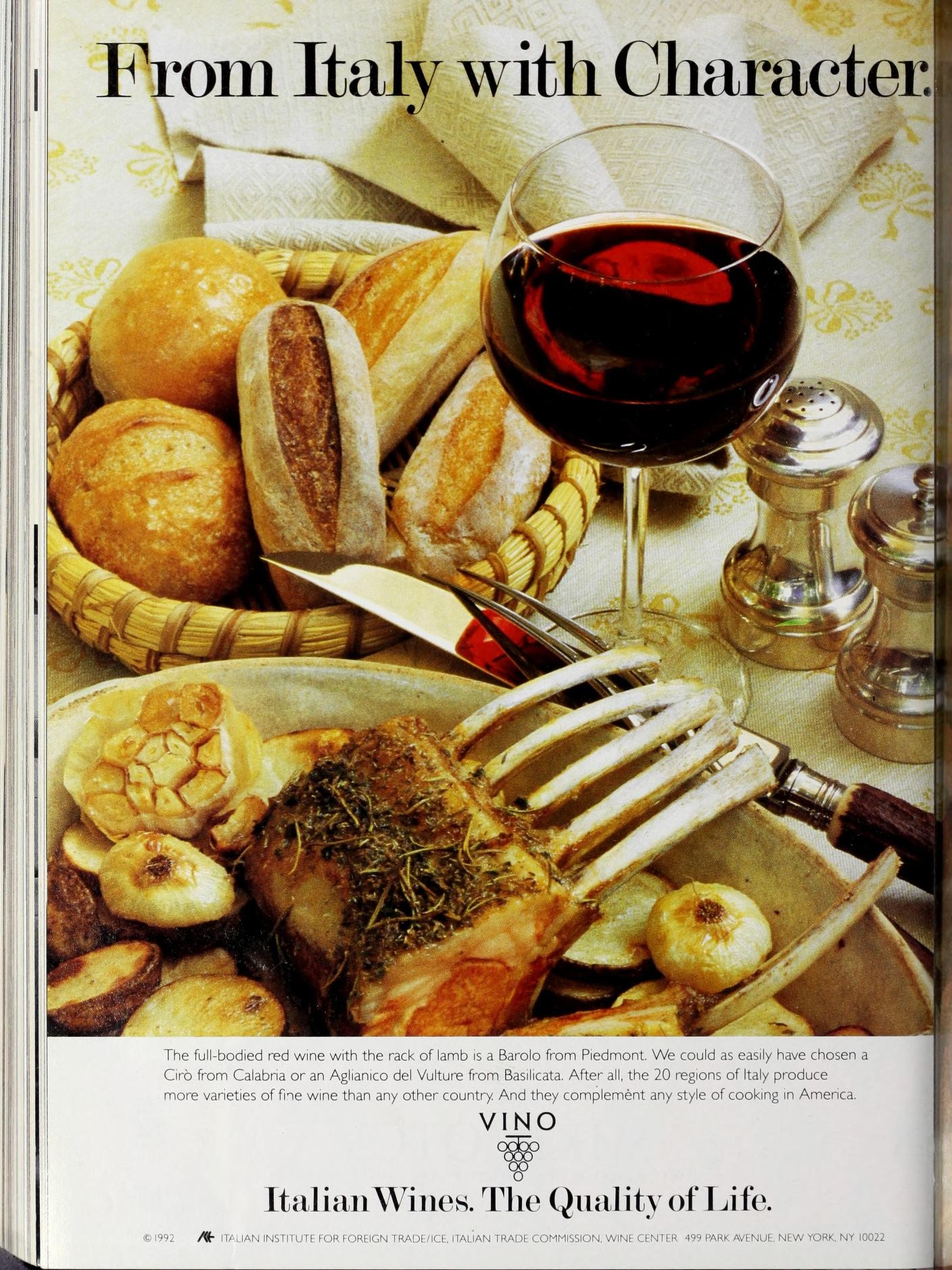
An intriguing 1992 Vanity Fair advertisement by an Italian government agency invites readers to explore the rich diversity of Italian wine through its 20 distinct regions, including Sicily and Sardinia. Highlighting the unique cultural, culinary, and linguistic influences that shape each region, the ad emphasizes Italy's storied history of regional individuality despite the unification of 1861. The campaign cleverly unites these varied identities under the celebrated banner of Italian wine, s...
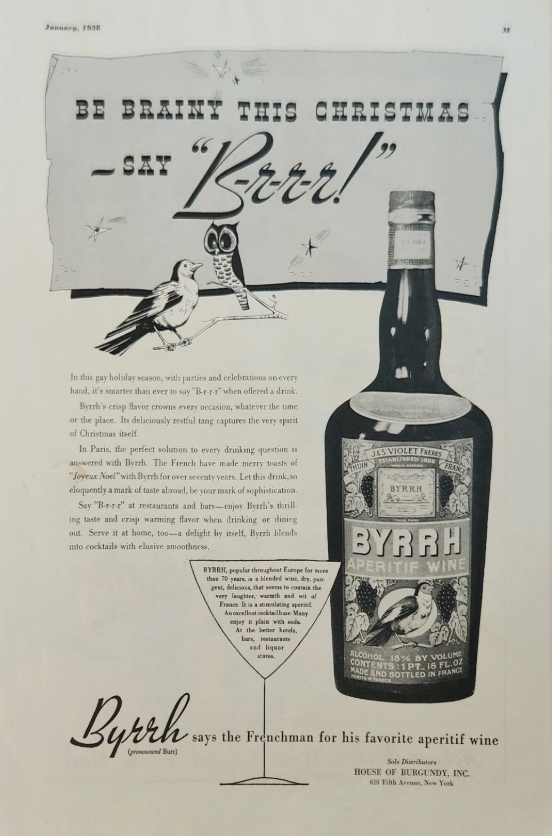
In January 1938, an American magazine ad invited readers to "Be Brainy This Christmas ~ Say 'Byrrh!'"—a nod to the newfound freedom to enjoy alcoholic beverages following the repeal of Prohibition in 1933. Byrrh, a fortified wine created by the Violet brothers in 1866, quickly gained fame in France as a celebrated apéritif. Originally marketed as a tonic wine with supposed medicinal benefits, Byrrh blended quinine, a historic fever-reducing agent, with wine, herbs, and spices. These tonic win...
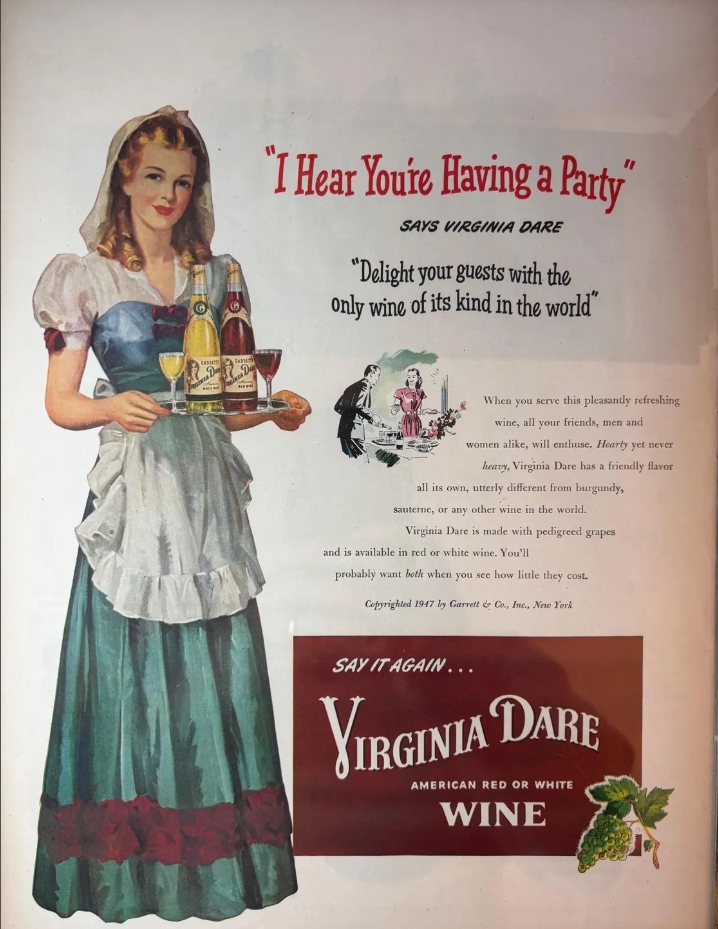
Virginia Dare's legacy is a captivating tale that intertwines the mystery of America's Lost Colony with the evolution of the American wine industry. Born in 1587 on Roanoke Island, Virginia Dare was the first English child born in the Americas and became a symbol of early colonial history. Her disappearance, along with the Roanoke Colony, remains an enduring American mystery. By the late 1800s, she had morphed into a folk heroine, and in the 20th century, her name graced a line of wines produ...
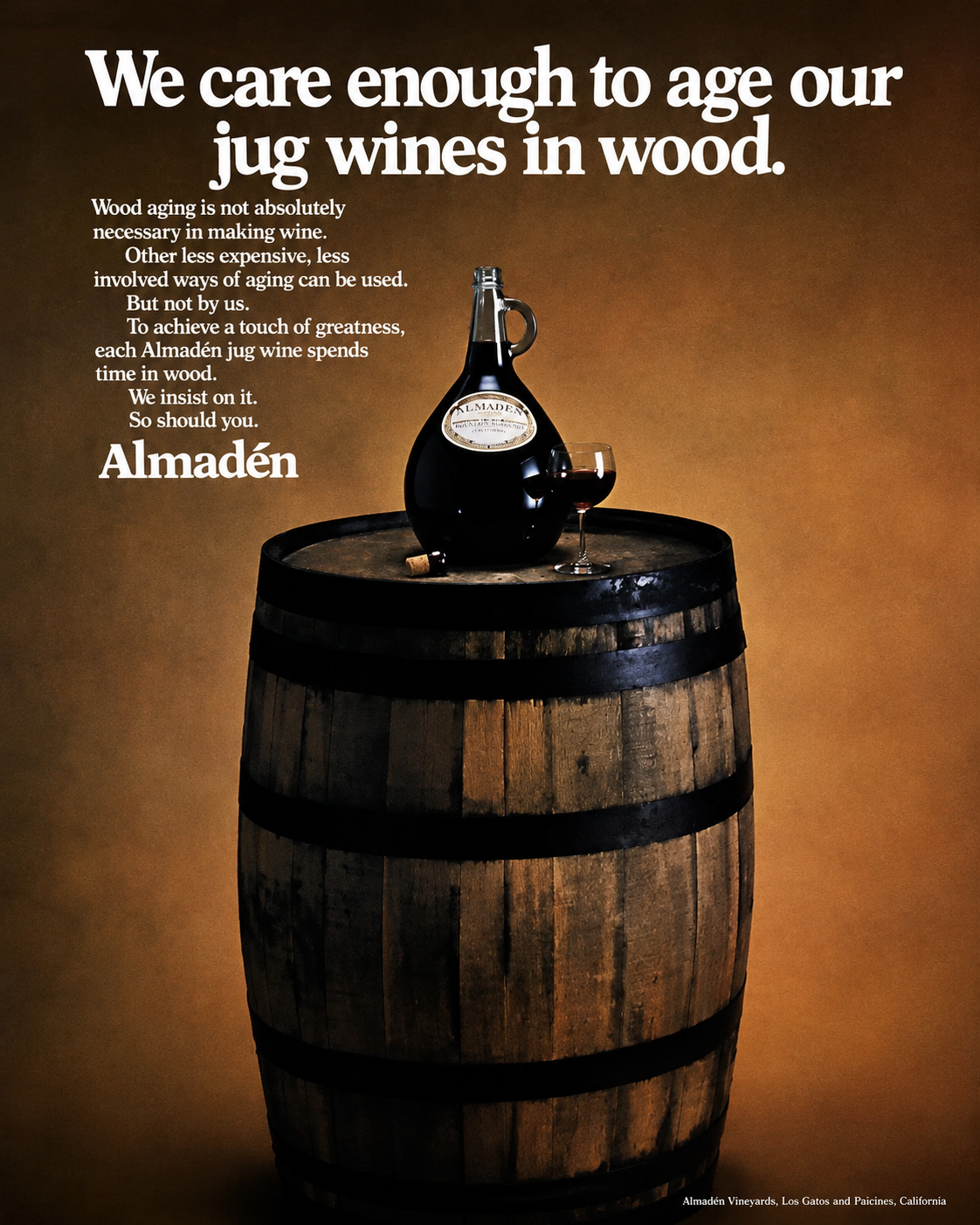
In 1975, Almadén Vineyards challenged perceptions by advertising their jug wines as aged in wood, a practice typically reserved for premium wines. This bold claim highlighted their commitment to quality, suggesting that even affordable wines deserve thoughtful aging. At a time when California wines were yet to gain global recognition, Almadén was pioneering a shift in American wine appreciation. Founded in 1852 by French immigrant Étienne Théé, Almadén was instrumental in establishing Califor...
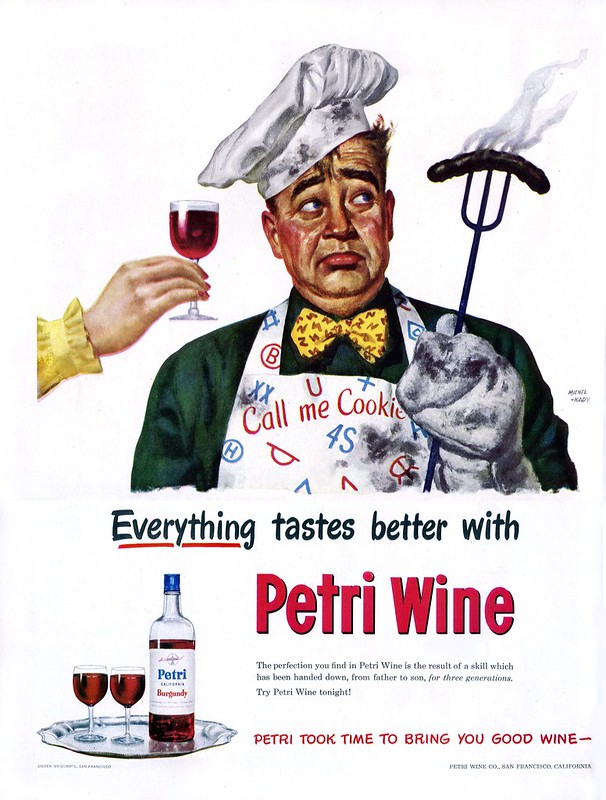
On May 16, 1949, America was experiencing a post-war transformation, with booming prosperity and cultural shifts. Life magazine captured this dynamic era, offering insights into American life, including a notable advertisement for Petri Wine. This ad, featuring a kitchen mishap salvaged by a glass of wine, highlights the burgeoning role of wine as an accessible, everyday pleasure in American households. As the wine industry began to blossom, companies like Petri played a pivotal role in demys...
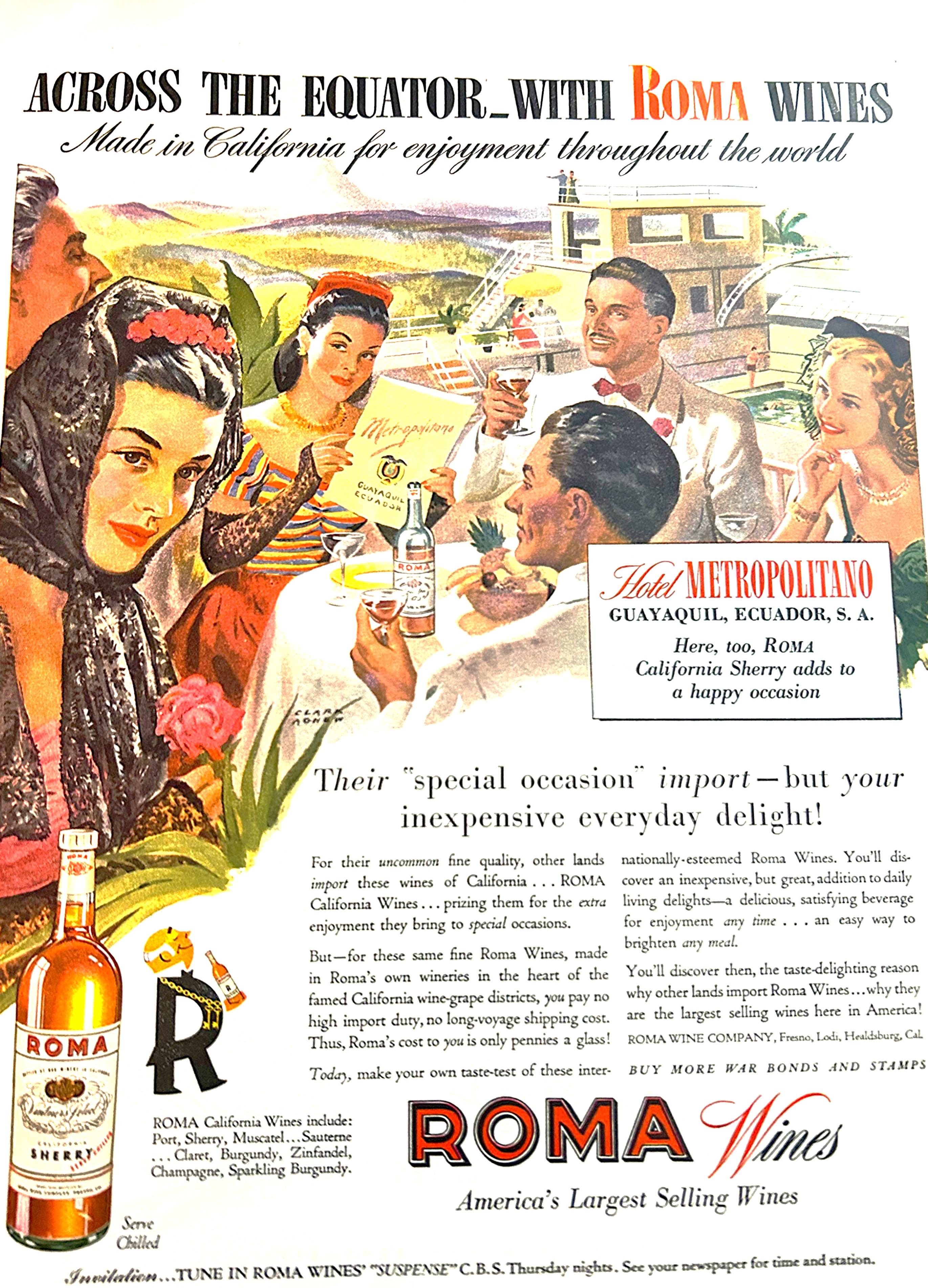
Originally appeared in a 1944 issue of Life magazine...
California wine's journey to global respect began earlier than widely believed, with Roma Wines playing a pivotal role in shaping its international identity. In the 1940s, Roma Wines cleverly intertwined with American culture by sponsoring the popular CBS radio drama, Suspense, effectively embedding its name in millions of households. This strategic marketing mirrored modern practices like social media sponsorships but was revolutionary for its time. Founded by Italian immigrant Lelio Tralli ...
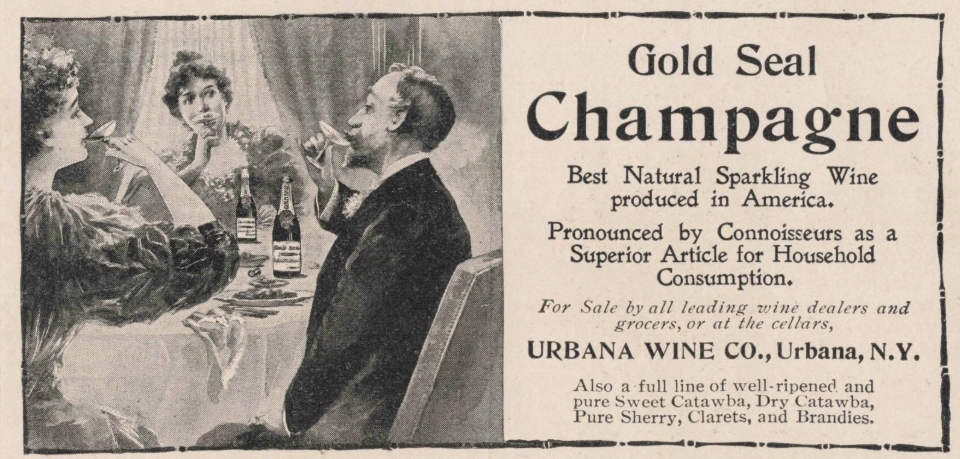
In a striking 1907 advertisement, elegantly dressed diners toast with Gold Seal Champagne, a sparkling wine not from France but Urbana, New York. This ad signified more than luxury; it marked a pivotal moment for American vineyards. Urbana Wine Company, founded in the mid-19th century near Keuka Lake, had leveraged the area's ideal climate and geography to produce a wine deserving of the Champagne title. By registering the Gold Seal trademark in 1887, Urbana positioned itself as a purveyor of...
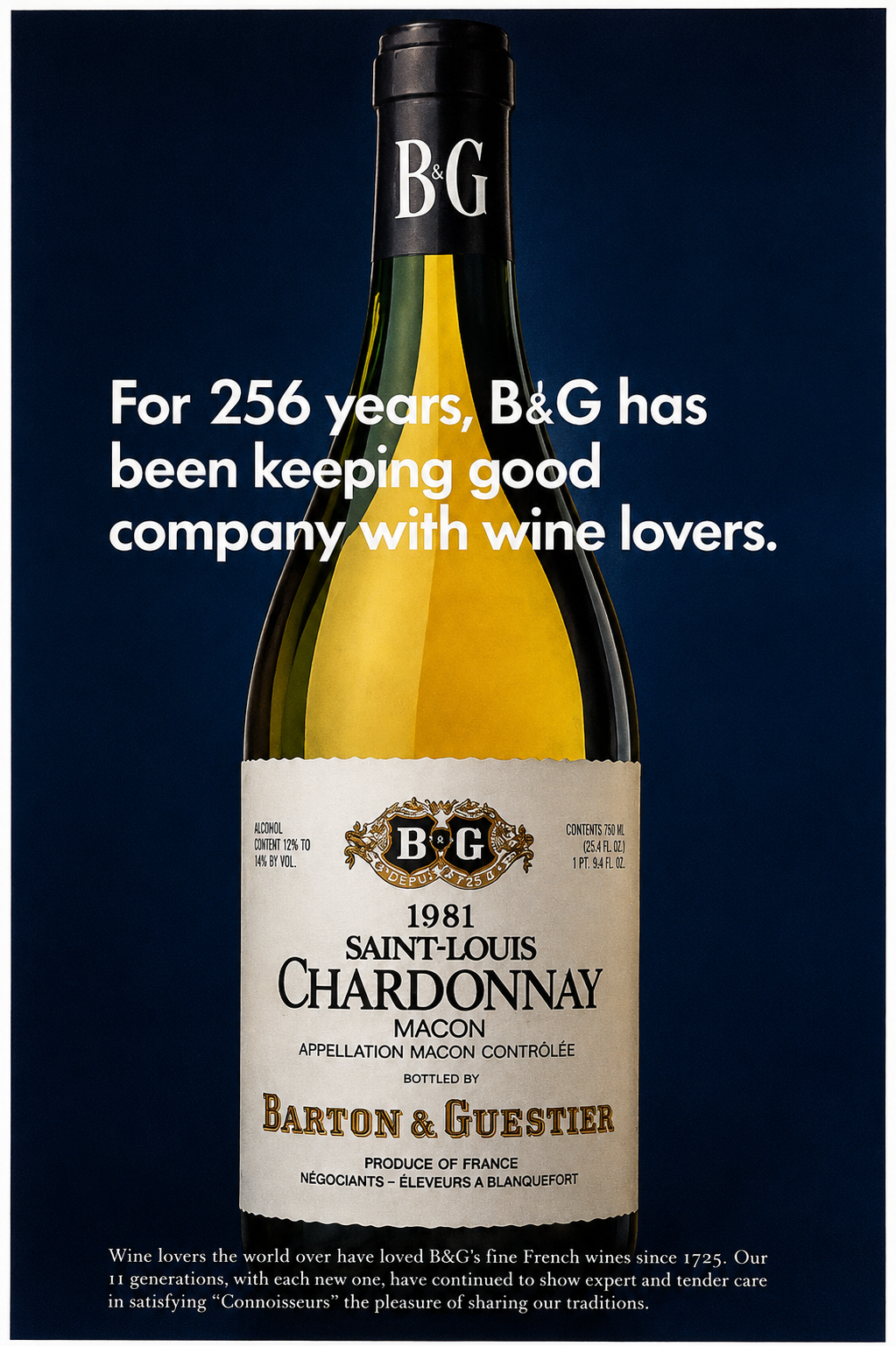
In 1982, Barton & Guestier’s advertisement marked a pivotal shift in French wine marketing, acknowledging the rising competition from California wines post-1976 Judgment of Paris. Emphasizing the grape variety "Chardonnay" over traditional geographic origins, the ad appealed to American consumers now accustomed to selecting wines by varietal names rather than European regions. This strategic move not only catered to the evolving American palate but also highlighted B&G's extensive heritage, d...